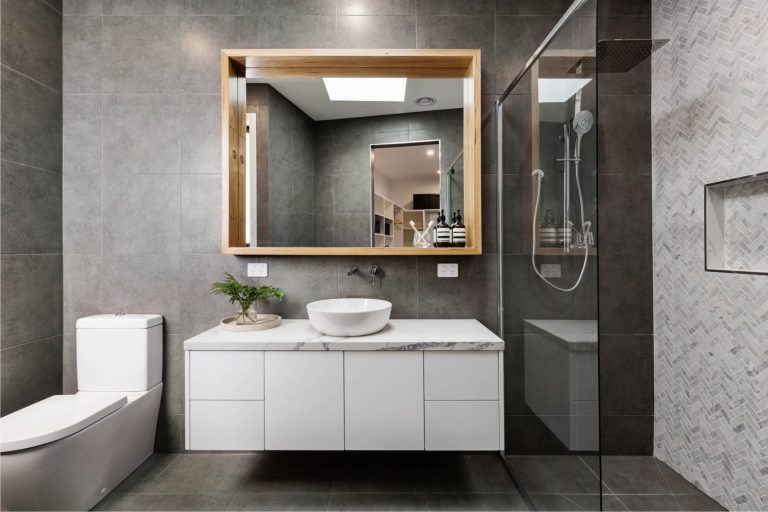


Sustainable Kitchen Renovations: Eco-Friendly Materials and Practices in Sydney
Sustainable Kitchen Renovations: Eco-Friendly Materials and Practices in Sydney
In the heart of Sydney, a quiet revolution is taking place within the walls of our homes. As environmental awareness grows and energy costs rise, more homeowners are looking beyond aesthetics to the ethics of their living spaces. The kitchen, long the hub of the home and a significant consumer of resources, is now at the forefront of this sustainable shift. A sustainable kitchen renovation is no longer a niche concept but a smart, forward-thinking approach that blends beautiful design with environmental responsibility and long-term savings. For Sydney residents, this means creating a space that is not only stylish and functional but also kind to our unique local environment—from the harbour to the bushland. At Artworx Bathrooms, we believe the principles of thoughtful, eco-conscious design apply seamlessly from your bathroom to your kitchen, creating a harmonious and responsible home.
Why Choose a Sustainable Kitchen in Sydney?
Opting for a green kitchen renovation is a powerful decision with multifaceted benefits. Firstly, it significantly reduces your home’s environmental footprint by conserving water, lowering energy consumption, and diverting waste from landfill. Secondly, it promotes a healthier indoor environment by using materials with low or no volatile organic compounds (VOCs), improving air quality for your family. Financially, while some sustainable materials may have a higher upfront cost, they lead to substantial savings on water and energy bills over time. Furthermore, as sustainability becomes a key driver in property valuation, an eco-friendly kitchen can enhance your home’s appeal in Sydney’s competitive market. It’s an investment in your wellbeing, your finances, and the planet.
Sydney’s Landscape: A Local Imperative
Sydney’s climate, with its hot summers and efforts to conserve precious water resources, makes sustainable design particularly relevant. The city’s ambitious environmental goals, including achieving net-zero emissions by 2050, start with individual household decisions. Moreover, Sydney’s diverse suburbs, from the heritage-lined streets of Paddington to the modern developments of Barangaroo, each present unique opportunities for integrating sustainable practices that respect their character. For instance, in suburbs like Surry Hills or Balmain, where many homes are Victorian or Federation terraces, a sustainable renovation focuses on improving thermal performance and integrating modern efficiency into a classic frame. Understanding your local context is the first step in a successful green renovation.
Eco-Friendly Materials for Your Sydney Kitchen
The foundation of any sustainable kitchen is the materials you choose. The goal is to select options that are renewable, recycled, durable, and locally sourced to reduce transportation emissions.
Countertops with a Conscience
Move beyond traditional granite. Consider:
- Recycled Glass Composite: Made from post-consumer glass bound with a low-VOC resin, these countertops are stunning, durable, and give a second life to waste materials.
- Bamboo: A rapidly renewable grass, bamboo is harder than many hardwoods and makes for a warm, distinctive countertop surface.
- Local Stone: If you desire natural stone, opt for a locally quarried sandstone or bluestone. This drastically cuts down on the carbon miles associated with importing marble or granite from overseas.
- Reconstituted Stone with Recycled Content: Many Australian manufacturers now offer engineered stone that incorporates recycled industrial materials like quartz dust or glass.
Sustainable Cabinetry and Joinery
Your kitchen cabinetry offers a major opportunity for sustainable choice.
- FSC-Certified Timber: Ensure any virgin timber is certified by the Forest Stewardship Council (FSC), guaranteeing it comes from responsibly managed forests.
- Reclaimed or Recycled Timber: Adding character and history, timber from old warehouses, bridges, or wharves makes for unique, story-rich cabinetry.
- Wheatboard or Strawboard: These panels are made from agricultural waste products, using no formaldehyde-based glues, making them a healthy and eco-friendly alternative to MDF or particleboard.
- Low-VOC Finishes: Pair your sustainable carcass with water-based, low-VOC paints and finishes to ensure superior indoor air quality.
Flooring that Grounds Your Design
Choose flooring that is durable, sustainable, and suitable for Sydney’s lifestyle.
- Cork: Harvested from the bark of cork oak trees without harming the tree, it’s naturally antimicrobial, soft underfoot, and provides excellent thermal insulation.
- Reclaimed Timber Floorboards: A perfect choice for period homes, adding authenticity and sustainability.
- Linoleum (not Vinyl): Made from natural materials like linseed oil, cork dust, and jute, true linoleum is biodegradable, durable, and comes in a wide range of colours.
- Polished Concrete with Recycled Aggregate: For a modern, industrial look, concrete can be polished and sealed. Using recycled aggregate or slag cement increases its green credentials.
Energy and Water Efficiency: The Heart of the Sustainable Kitchen
Materials form the shell, but efficiency is the engine of a sustainable kitchen.
Appliances: The Power Savers
When selecting appliances, the Energy Rating Label is your best friend. Aim for the highest star rating you can afford.
- Induction Cooktops: These are far more energy-efficient than traditional electric or gas cooktops, heating cookware directly and reducing wasted heat.
- Heat Pump Dryers: If you need a dryer, a heat pump model can use up to 60% less energy than a conventional vented dryer.
- Efficient Rangehoods: Look for models with efficient motors and good capture area to improve air quality without excessive energy use.
Water Wisdom in the Kitchen
Every drop counts, especially in Australia.
- WELS-Rated Taps: Install a 4-star or higher WELS-rated kitchen tap. Aerators or flow restrictors can further reduce water use without compromising pressure.
- Dishwasher Efficiency: Modern, water-efficient dishwashers often use less water than hand-washing a full load. Always run it when full and use the eco-cycle.
- Instantaneous Hot Water: Consider a point-of-use instantaneous hot water system under the sink. It delivers hot water on demand, eliminating the waste of running the tap while waiting for hot water to travel from a central tank.
Lighting and Ventilation
Maximise natural light with well-placed windows or skylights. Complement this with 100% LED lighting, which uses a fraction of the energy of halogens and lasts for years. Effective passive ventilation, like operable skylights or strategically placed windows, can reduce reliance on mechanical extraction and cooling.
Sustainable Practices During Your Sydney Renovation
How you renovate is as important as what you choose.
- Deconstruction Over Demolition: Carefully dismantle your old kitchen to salvage cabinets, appliances, and materials for reuse or donation. This keeps tonnes of waste from landfill.
- Work with Local Trades and Suppliers: Sourcing materials and labour locally supports the Sydney economy and slashes the carbon emissions associated with long-distance transport.
- Waste Management Plan: Partner with a skip bin company that prioritises recycling and sorting of construction waste. Many components like metal, timber, and concrete can be recycled.
- Future-Proofing: Design for longevity and adaptability. Choose timeless styles and durable materials so your kitchen won’t need replacing in a few years. Also, design the layout to easily accommodate future appliance upgrades.
Sydney Suburb Spotlight: The Context for Your Renovation
Understanding your local housing stock can inform your sustainable approach. For example, in the Lower North Shore suburbs like Mosman or Neutral Bay, where median house prices are high and homes often feature larger blocks, there is excellent potential for integrating rainwater tanks for garden use and even toilet flushing. In the Eastern Suburbs, such as Bondi or Coogee, where homes are often closer together, the focus might be on innovative internal solutions like light wells and high-performance insulation to manage temperature. In growing areas like the Hills District or Blacktown, where new developments are common, insisting on sustainable materials and practices from the outset can set a standard for the community. Across all Sydney suburbs, the push for sustainability is adding tangible value; homes with verified green features are increasingly sought after in market listings.
Conclusion: Your Sustainable Kitchen Journey in Sydney
Embarking on a sustainable kitchen renovation in Sydney is a profound step towards a more resilient and responsible home. It’s a holistic process that considers everything from the origin of your cabinetry timber to the wattage of your downlights. By choosing eco-friendly materials, prioritising energy and water efficiency, and adopting mindful renovation practices, you create a kitchen that is not only a beautiful and healthy space for your family but also a positive contribution to Sydney’s environmental future. The journey may require more initial research and planning, but the rewards—lower bills, a healthier home, and a lighter footprint—are enduring.
At Artworx Bathrooms, we understand that creating a sustainable home is a cohesive vision. The same care we apply to crafting your eco-conscious bathroom can be extended to the heart of your home. If you’re inspired to begin planning your sustainable kitchen renovation in Sydney, we encourage you to start with these principles, consult with knowledgeable local tradespeople who share your values, and build a kitchen that truly nourishes both your family and the environment.