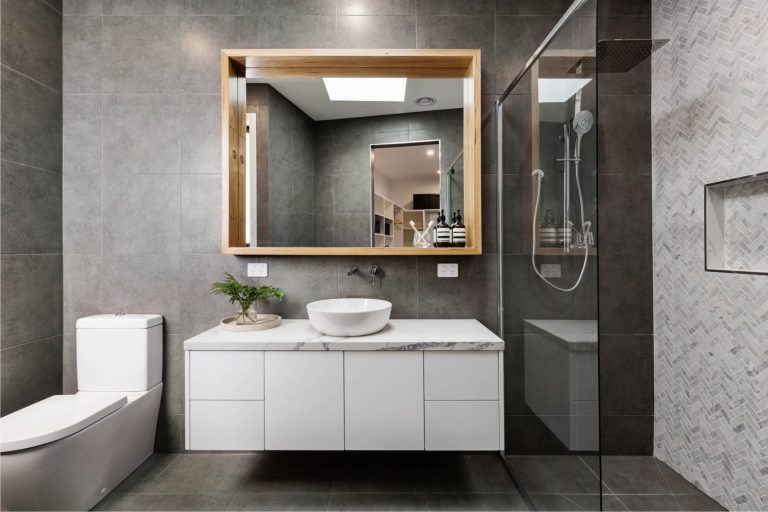


Bathroom Tiles 2026: Best Materials & Patterns for Sydney’s Humidity & Style
Bathroom Tiles 2026: Best Materials & Patterns for Sydney’s Humidity & Style
When it comes to renovating a bathroom in Sydney, the tiles you choose are more than just a decorative finish—they are the frontline defense against one of the most aggressive climates in Australia. From the salty sea air of the Northern Beaches to the muggy summer heat of the Inner West, Sydney’s humidity can wreak havoc on substandard materials. As we look ahead to 2026, the intersection of cutting-edge design and practical performance has never been more critical.
At Artworx Bathrooms, we have spent years perfecting the art of the Sydney bathroom. We understand that a tile must be at least as functional as it is beautiful. In this comprehensive guide, we will walk you through the best materials and patterns for 2026, blending global trends with local wisdom. Whether you own a classic Federation home in Paddington or a modern apartment in Barangaroo, this article will help you make a choice that lasts.
Why Sydney’s Humidity Demands Specific Tiles
Before we dive into materials, we must address the elephant in the room: moisture. Sydney’s subtropical climate means high humidity levels, particularly from November to March. According to the Bureau of Meteorology, average relative humidity in Sydney often sits between 65% and 80% during summer mornings. For a bathroom, this creates a perfect storm for mold, mildew, and substrate failure.
In suburbs like Mosman (where median house prices hover around $4.5 million), homeowners invest heavily in timeless aesthetics, but the coastal proximity demands tiles that resist salt corrosion. Similarly, in Parramatta, where the median age of homes is approximately 35 years, older structures require tiles that can handle thermal expansion and contraction without cracking. The right tile choice in 2026 is not just about looking good in a photo; it is about structural integrity.
The Porcelain Revolution: The Undisputed King for 2026
If you take one piece of advice from this article, let it be this: choose porcelain over ceramic for wet areas. While ceramic tiles have been a staple for decades, porcelain is denser, less porous, and far more resistant to moisture absorption. In 2026, manufacturers are pushing the boundaries of what porcelain can look like.
Why Porcelain Wins in Sydney:
- Water Absorption Rate: Porcelain has a water absorption rate of less than 0.5%, compared to ceramic which can be as high as 3%. In a steamy bathroom in Bondi, this difference is the line between a lasting finish and a peeling nightmare.
- Durability: It is harder and more resistant to chipping—perfect for high-traffic family bathrooms in suburbs like Chatswood, where the median family income supports larger, multi-use bathrooms.
- Design Versatility: New digital printing technology means porcelain can now perfectly mimic marble, terrazzo, and even aged timber without the maintenance headaches.
Natural Stone: A Luxury Choice with a Caveat
Marble, travertine, and limestone remain the darlings of high-end renovations. In suburbs like Double Bay (where 70% of homes are owner-occupied and the median price exceeds $5 million), natural stone is a status symbol. However, for 2026, we advise caution.
Natural stone is porous. In Sydney’s humidity, it requires sealing every 12 to 18 months. If neglected, it can stain and etch. The trend for 2026 is moving toward large-format porcelain slabs that replicate the veining of Carrara marble without the porosity. This is particularly smart for bathrooms in Surry Hills, where Victorian terraces often have limited natural ventilation.
Top Tile Materials for Sydney Bathrooms in 2026
Let’s break down the specific materials that will dominate the market next year, ranked by their suitability for the Sydney climate.
1. Large-Format Porcelain (1200x600mm and above)
This is the biggest trend of 2026. Fewer grout lines mean fewer places for moisture to hide. In a compact bathroom in Newtown (where the median apartment size is just 75 sqm), large-format tiles create an illusion of space while reducing maintenance. We recommend a matte finish to avoid the slippery hazards of high-gloss tiles in a steamy environment.
2. Textured and 3D Tiles
Bored of flat walls? 3D tiles are making a comeback, but with a twist. Modern textured tiles are designed with anti-slip ratings (R10 or R11), making them perfect for shower floors. In family-oriented Hills District suburbs like Castle Hill, safety is a priority. These tiles add a sculptural element while providing grip.
3. Zellige and Handmade Look Tiles
For the homeowner seeking warmth and artisan character, Zellige tiles (glazed terracotta from Morocco) are trending. However, they are porous. In 2026, we are seeing glazed porcelain versions that capture the same irregular, reflective surface but are sealed for life. This is a fantastic option for a feature wall in a Paddington terrace, adding a touch of the Mediterranean without the mold risk.
4. Rectified Edge Tiles for Minimalist Grout Lines
Precision is key in modern design. Rectified tiles are cut to exact dimensions, allowing for grout lines as thin as 1.5mm. This creates a seamless, monolithic look that is incredibly easy to clean. In Barangaroo, where luxury apartments command views of the harbour, this clean aesthetic is non-negotiable.
2026 Pattern Trends: From Classic to Avant-Garde
The material is the canvas; the pattern is the art. In 2026, we are seeing a shift away from stark minimalism toward patterns that offer texture and narrative.
The Return of the Herringbone
Herringbone patterns are not new, but 2026 sees them applied to large rectangular planks rather than small mosaics. This pattern adds dynamic movement to a bathroom floor. It works exceptionally well in narrow layouts common in Glebe terraces, drawing the eye down the length of the room.
Checkerboard with a Twist
The classic black and white checkerboard is being reimagined with muted earth tones—think sage green and cream, or charcoal and sandstone. This pattern is a nod to Victorian heritage, making it perfect for homes in Balmain, where 40% of properties are pre-1900s. The twist? Using matte and glossy finishes on alternating tiles to add subtle dimension.
Stacked Bond for Vertical Height
For bathrooms with lower ceilings (common in Redfern apartments built in the 1970s), a stacked bond pattern—where tiles are aligned in a grid—creates a clean, horizontal emphasis. Using vertically stacked tiles can actually make the ceiling feel higher. Pair this with a vertical strip of contrasting mosaic for a 2026 touch.
Terrazzo: The Comeback Kid
Terrazzo is back, but it is smarter than ever. In 2026, we are seeing micro-terrazzo with finer chips and a matte resin base. It is incredibly durable and hides dirt well—a practical win for busy households in Zetland, where young professionals and families mix.
Practical Considerations for Sydney Homeowners
Beyond aesthetics, there are technical specifications that every homeowner should discuss with their tiler. At Artworx Bathrooms, we always review three key factors before a tile is ordered.
Slip Resistance (R Rating)
In Australia, bathroom floor tiles should have a minimum R10 rating for wet areas. For shower floors, an R11 is safer, especially for homes with elderly residents in suburbs like Lindfield (where the median age is 42). Polished porcelain can be dangerously slippery when wet; always opt for a honed or textured finish.
Thermal Expansion
Sydney can swing from 10°C to 40°C. Tiles expand and contract. In bathrooms with underfloor heating (a growing trend in 2026), you must use a flexible adhesive and a movement joint around the perimeter. Failure to do so can lead to tenting and cracking, particularly in large-format tiles.
Grout Selection
Grout is often an afterthought, but it is the weakest link. In 2026, we recommend epoxy grout for all Sydney bathrooms. Unlike cement-based grout, epoxy is non-porous and stain-resistant. It does not need sealing and will not yellow over time. This is a game-changer for bathrooms in Dee Why, where the salt air can discolor traditional grout within months.
Suburb-Specific Insights: Matching Tiles to Your Home
Let’s get local. The best tile for your home depends heavily on your suburb’s architecture and climate micro-conditions.
The Eastern Suburbs (Woollahra, Vaucluse, Rose Bay)
These areas are characterized by grand heritage homes and coastal proximity. The humidity is high, and the salt content in the air is a factor. We advise full-body porcelain (color runs through the entire tile) so that if a chip occurs, it is not noticeable. Large-format marble-look tiles in a honed finish are the top choice for 2026. Avoid high-gloss finishes near open windows.
The Inner West (Marrickville, Dulwich Hill, Annandale)
These suburbs are known for Victorian and Federation homes with smaller, enclosed bathrooms. Ventilation is often poor. Here, light-colored, glossy tiles can help reflect light and make the room feel larger. However, we recommend using them only on walls. For floors, a matte, textured porcelain in a warm neutral (like sandstone) is safer and more forgiving.
The North Shore (Gordon, Killara, Pymble)
Families dominate these suburbs, and bathrooms need to be both beautiful and bulletproof. The trend for 2026 is subway tiles on the walls (classic but with a longer, slimmer proportion of 120x60mm) paired with hexagon mosaic floors. This combination offers timeless appeal and is easy to repair if a tile is damaged. Use a dark grout to hide wear and tear in the kids’ bathroom.
Western Sydney (Penrith, Blacktown, Campbelltown)
These areas experience the most extreme temperature fluctuations in Sydney. Summer humidity is intense, and winter can be dry and cold. Porcelain wood-look planks are a massive trend here for 2026. They offer the warmth of timber without the warping. Choose a rectified edge for a seamless floor that handles thermal movement better.
Installation: The Artworx Bathrooms Difference
Even the best tile will fail if installed poorly. In Sydney, the biggest installation mistake is insufficient waterproofing. At Artworx Bathrooms, we follow the Australian Standard AS 3740, which mandates that waterproofing must extend 150mm above the shower hob and around the entire perimeter of the room.
For 2026, we are also seeing a rise in wet-area vinyl flooring as a complement to tiled walls. However, for those committed to a full-tile look, we emphasize the importance of a decoupling membrane (like Ditra) underneath the tiles. This membrane absorbs movement from the substrate and prevents cracks, especially in older homes in Leichhardt where timber floorboards can flex.
Cost vs. Value: What to Expect in 2026
Tile prices in Sydney have seen a steady increase due to shipping costs and demand for premium materials. Here is a rough guide for 2026 pricing (materials only):
- Basic ceramic: $30 – $50 per sqm (not recommended for floors)
- Standard porcelain: $55 – $90 per sqm
- Large-format Italian porcelain: $100 – $200 per sqm
- Natural stone (sealed): $150 – $350 per sqm
- Specialty Zellige-style: $80 – $130 per sqm
Installation labor in Sydney ranges from $60 to $120 per sqm, depending on the complexity of the pattern. A herringbone layout will cost more than a straight stack. However, this investment pays off. A well-tiled bathroom can add 3-5% to your property value, particularly in competitive markets like Randwick and Neutral Bay.
Conclusion: Your 2026 Bathroom Starts Here
The future of bathroom design in Sydney is not about chasing fleeting trends. It is about making intelligent choices that respect the climate, the architecture of your suburb, and the daily reality of your family. In 2026, the golden rule is simple: prioritize moisture resistance without sacrificing style.
Whether you are drawn to the timeless elegance of large-format marble-look porcelain or the tactile warmth of textured Zellige, the key is to work with a team that understands the local context. At Artworx Bathrooms, we don’t just install tiles—we engineer solutions for Sydney’s unique environment. We consider the orientation of your window, the age of your building, and the way your family moves through the space.
From the heritage terraces of Paddington to the modern high-rises of Parramatta, your bathroom should be a sanctuary, not a maintenance burden. By choosing the right materials and patterns for 2026, you are investing in a space that will remain beautiful, safe, and functional for decades to come. Ready to transform your bathroom? Visit our showroom or schedule a consultation with the Artworx Bathrooms team today.
Keywords: bathroom tiles 2026, best tiles for Sydney humidity, Sydney bathroom renovation, Artworx Bathrooms, porcelain tiles Sydney, bathroom patterns 2026, tile materials Sydney, humidity resistant tiles, bathroom tiles Paddington, bathroom renovation Mosman, tile installation Sydney.